
Before the First Freeze: How to Prepare Your Portable Building for Winter
November 11, 2026
Before the First Freeze: How to Prepare Your Portable Building for Winter
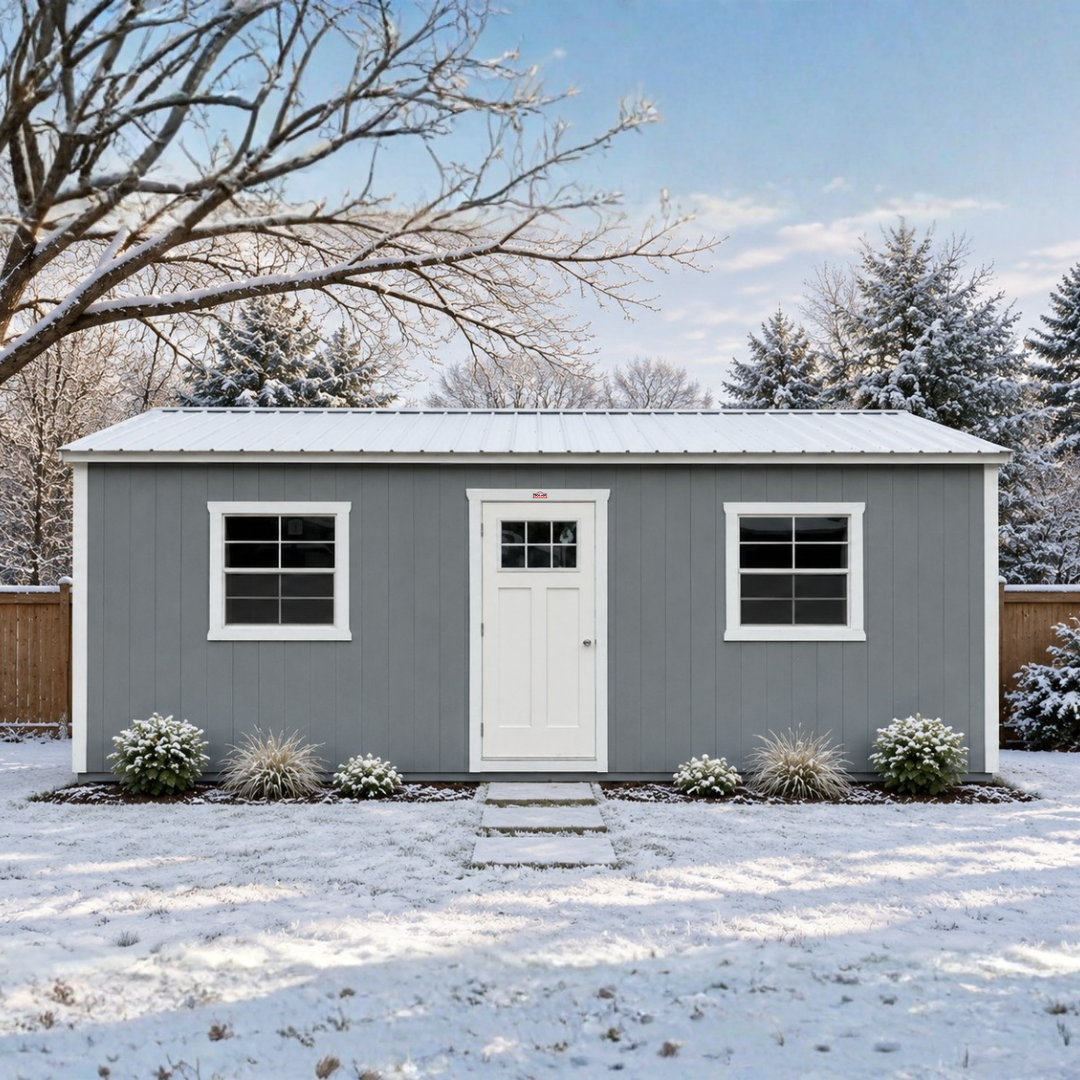
As temperatures begin to drop and the days get shorter, homeowners everywhere start preparing their properties for the colder months ahead. From putting away patio furniture to winterizing lawn equipment, there's plenty to check off the list before the first freeze arrives.
But there's one area of your property that deserves just as much attention: your portable building.
Whether you use your shed for storing lawn equipment, organizing seasonal decorations, or creating a dedicated workspace, a little preparation can go a long way toward keeping your building and belongings in great condition throughout winter.
At Stor-Mor Portable Buildings, we know that your storage building is an investment in your property and your everyday life. That's why we've put together a few simple ways to prepare your portable shed for winter before the cold weather settles in.
1. Start With a Thorough Exterior Inspection
Before winter arrives, take a few minutes to walk around the outside of your portable building. Even if everything appears to be in great shape, seasonal inspections are an important part of keeping your building well-maintained.
Start by examining the roof for visible damage, loose materials, or debris that may have accumulated throughout the fall. Leaves, branches, and other debris can trap moisture, especially during periods of rain, snow, or freezing temperatures.
Next, inspect the siding, trim, doors, and windows. Look for cracks, gaps, or damaged areas that could allow moisture or cold air to enter the building. Pay particular attention to the areas around door frames and windows, where weatherstripping and seals may experience wear over time.
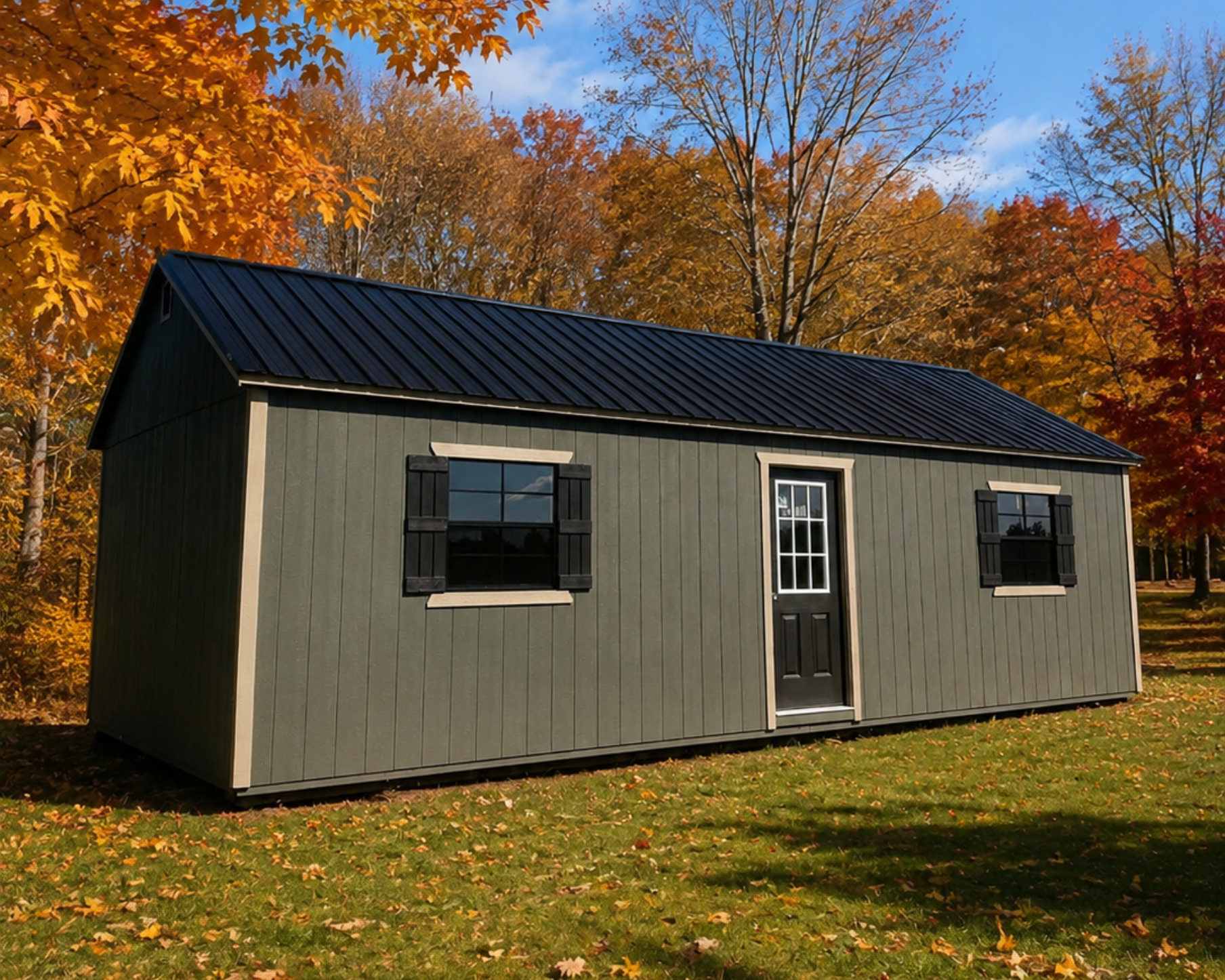
Whether you own a compact 8x12 portable shed or a larger 12x20 storage building, regular exterior inspections can help you identify minor issues before they become more expensive repairs.
If you notice anything that needs attention, it's best to address it before freezing temperatures make outdoor maintenance more difficult.
2. Keep Moisture Under Control
One of the biggest concerns for any outdoor storage building during winter is moisture.
As temperatures fluctuate, condensation can develop when warm, humid air comes into contact with colder surfaces. Over time, excessive moisture can affect stored belongings and create an environment where mold and mildew may develop.
Fortunately, there are several ways to help reduce moisture inside your portable building.
Start by making sure everything you place inside is completely dry. Lawn equipment, gardening tools, outdoor furniture, and seasonal decorations can carry moisture into your shed, especially after rainy fall weather.
It's also important to maintain proper ventilation. Depending on your building's design and intended use, vents or other appropriate airflow solutions can help reduce trapped humidity.
For homeowners using their portable buildings as workshops, hobby spaces, or other frequently occupied areas, insulation and appropriate climate control may also be worth considering. Keep in mind that insulation alone doesn't eliminate moisture problems, so ventilation and humidity management remain important.
A dry, well-maintained storage space can make a significant difference in protecting your belongings throughout the colder months.
3. Prepare Your Doors and Windows for Colder Weather
Doors and windows are often overlooked during seasonal maintenance, but they play an important role in keeping your portable shed protected from the elements.
Before the first freeze, open and close each door and window to make sure everything operates smoothly. Check hinges, handles, locks, and other hardware for signs of wear.
If your building has weatherstripping, inspect it for cracks, gaps, or deterioration. Damaged weatherstripping can allow cold air, drafts, and moisture to enter the building.
For portable buildings used as workshops or hobby spaces, maintaining properly sealed doors and windows can also help improve comfort during colder weather.
This is especially important for homeowners who have customized their buildings with additional windows, upgraded doors, or other exterior features.
A quick inspection now can help prevent frustrating problems when temperatures drop.
4. Organize and Protect Your Seasonal Equipment
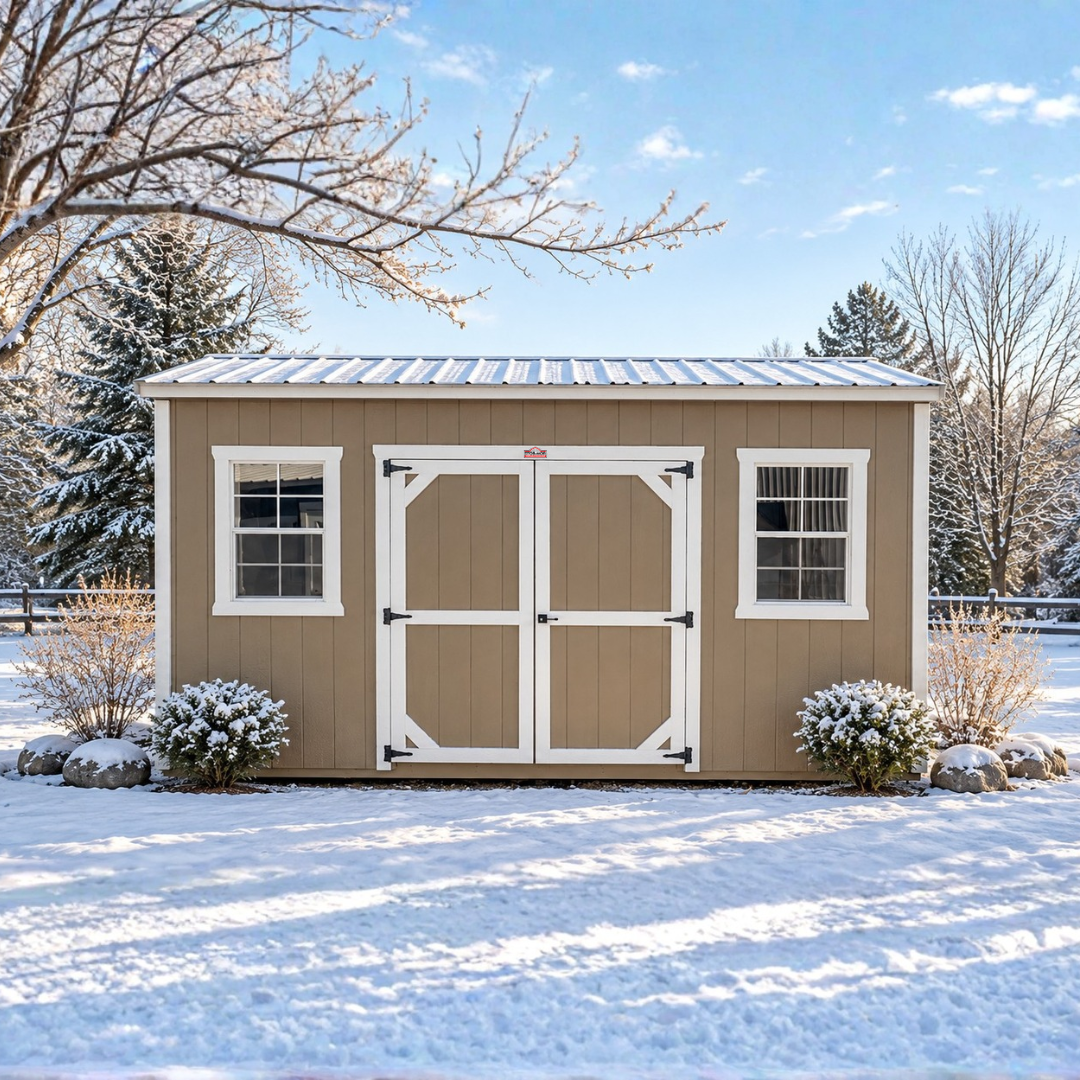
As the seasons change, so do your storage needs.
Summer equipment like lawn mowers, string trimmers, gardening tools, and patio furniture may not get much use during winter. Instead of leaving these items scattered around your garage or backyard, consider giving them a dedicated space inside your portable building.
Before putting equipment away, clean off dirt, grass clippings, and debris. Follow manufacturer recommendations for winterizing engines, batteries, and fuel systems. Never run fuel-powered equipment inside your shed, and store fuels and chemicals only in approved containers and locations.
For smaller items, shelving and wall-mounted storage solutions can help maximize your available floor space.
If you own a 10x16 storage shed, for example, organizing equipment along the walls can leave the center of the building open for larger items. A 12x20 portable building may provide even more flexibility for storing lawn equipment, outdoor furniture, and seasonal supplies.
For homeowners with a Stor-Mor Lofted Barn, overhead storage can be particularly useful for lightweight seasonal belongings that don't need to be accessed regularly.
The goal is to create an organized space where everything has a place and can be easily found when spring arrives.
5. Protect Items That Are Sensitive to Freezing Temperatures
Not everything belongs in an unheated storage shed during winter.
Certain items can become damaged when exposed to prolonged freezing temperatures, including some paints, adhesives, cleaning products, electronics, and other temperature-sensitive materials.
Before moving these items into your portable building, check their labels or manufacturer recommendations for proper storage conditions.
If a product requires temperature-controlled storage, it's best to keep it in an appropriate indoor location rather than risk damage.
For items that can safely remain in your shed, consider using durable plastic storage containers with secure lids. These can help protect belongings from dust, insects, and incidental moisture.
Holiday decorations, outdoor cushions, camping gear, and other seasonal items can also benefit from being stored off the floor on shelves or pallets designed for the load.
A little planning can help keep your belongings in better condition and make seasonal transitions much easier.
6. Maintain the Area Around Your Portable Building
Preparing your storage building for winter isn't just about what's happening inside.
The surrounding landscape can also affect how well your building handles seasonal weather.
Start by clearing fallen leaves, branches, and other debris from around the exterior. Keeping vegetation trimmed away from the siding can help reduce trapped moisture and discourage pests from settling near your building.
Pay attention to drainage around the building as well. Water should move away from the foundation or support system rather than collect underneath or along the exterior.
If your area experiences snow or ice, make sure you can safely access the building throughout winter. Avoid piling snow directly against doors or siding, and remove snow from access paths as needed.
For homeowners who use their portable buildings frequently, maintaining a clear walkway can make winter access much more convenient.
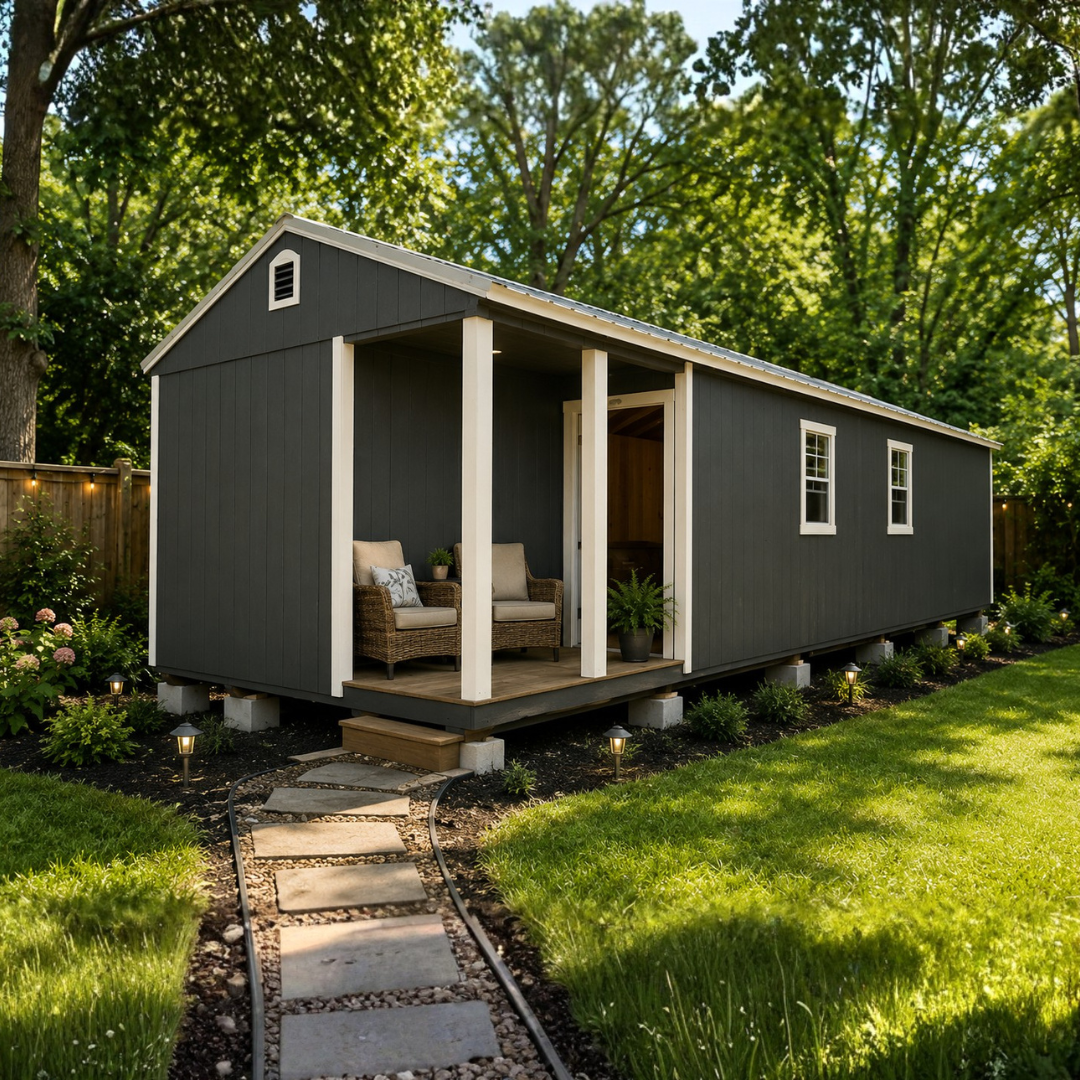
Whether your shed sits in a residential backyard, on a larger rural property, or beside a workshop, keeping the surrounding area maintained is an important part of protecting your investment.
7. Consider Upgrades for Year-Round Use
Winter preparation is also a great opportunity to think about how you use your portable building.
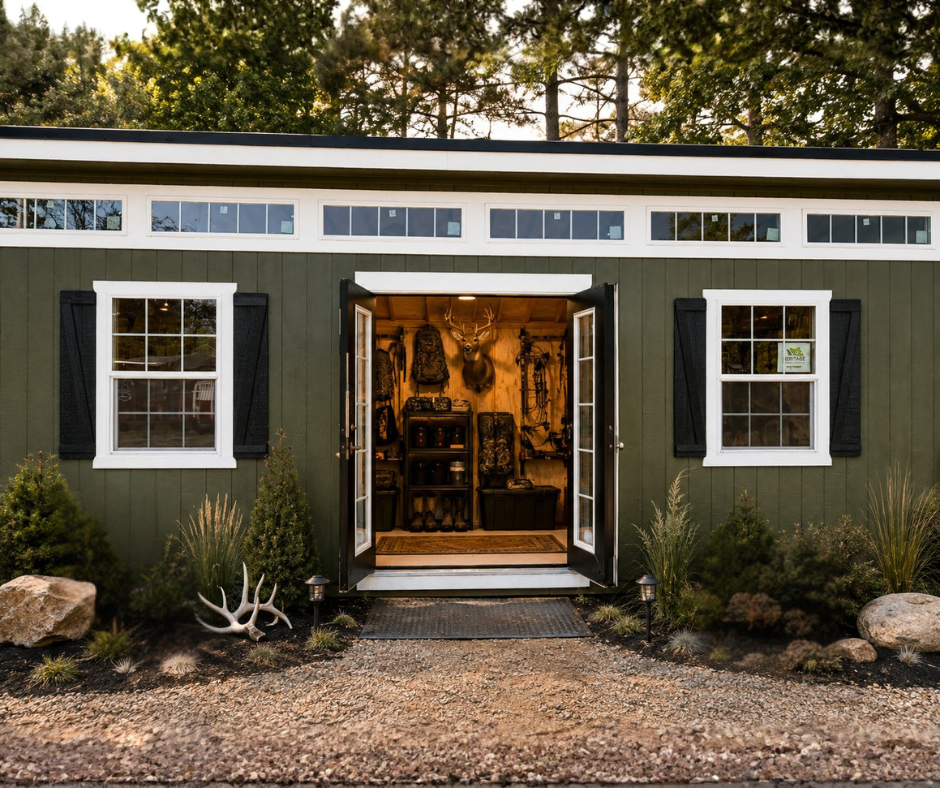
Maybe your shed started as a simple place to store lawn equipment, but now you're considering turning part of it into a workshop. Or perhaps you're looking for a dedicated hobby space where you can spend time during the colder months.
With the right planning, a portable building can serve purposes beyond basic storage.
Depending on your building style, available upgrades, and local requirements, features such as insulation, additional windows, shelving, and electrical installations may help make your space more functional throughout the year.
For example, a portable Utility Shed might be ideal for organizing equipment and tools, while a larger Studio-style building could provide more flexibility for a creative workspace.
If you're considering electrical or heating equipment, make sure installations are completed safely by qualified professionals and meet applicable codes. Never use outdoor-only heaters, grills, or generators inside a portable building.
At Stor-Mor, our variety of portable building styles and customization options allows customers to explore solutions that fit their storage needs, property, and long-term goals.
8. Create a Simple Winter Maintenance Routine
Once you've prepared your portable building for winter, don't forget about it until spring.
A quick inspection every few weeks, particularly after significant storms or freezing weather, can help you catch potential issues early.
Check for signs of moisture, make sure doors and windows continue operating properly, and look for any debris that may have collected around the building.
If your area receives heavy snow, monitor accumulation and follow the building manufacturer's recommendations regarding snow loads and safe removal practices. Avoid climbing onto the roof or attempting unsafe snow removal.
You should also occasionally inspect stored belongings, especially if your building isn't used every day.
These small habits can help keep your portable shed organized, functional, and ready for use throughout the season.
Is Your Current Storage Space Ready for Winter?
Sometimes preparing for winter reveals a bigger problem: you simply don't have enough storage space.
If your garage is overflowing with lawn equipment, seasonal decorations, outdoor furniture, and other belongings, adding a dedicated storage building may be a practical solution.
A smaller 8x12 portable shed can provide additional room for basic household and lawn storage, while larger options like a 10x16 or 12x20 shed can accommodate more equipment and allow room for shelving and organization.
For homeowners who need additional overhead storage, a Lofted Barn may offer an efficient way to maximize usable space without taking up more of the backyard.
If you've been searching online for a "storage building near me" or comparing portable sheds for sale, now is a great time to think about what you need from your space before the colder months arrive.
Get Winter-Ready With Stor-Mor Portable Buildings
Winter weather may be unavoidable, but preparing your portable building doesn't have to be complicated.
By inspecting the exterior, managing moisture, organizing equipment, protecting temperature-sensitive belongings, and maintaining the surrounding landscape, you can help keep your building in great condition throughout the season.
Whether you already own a Stor-Mor building or are considering adding one to your property, having the right storage solution can make seasonal transitions much easier.
At Stor-Mor Portable Buildings, we offer a variety of sheds, lofted barns, garages, cabins, and customizable portable buildings designed to help you make the most of your space.
Ready to find a portable building that fits your needs? Visit www.stormor.com to explore our building styles, customize your own building with our 3D Builder, or connect with a local Stor-Mor dealer today.